

The Messy Middle
Liminal Space, Change, and How Nature Helps Us Stay With the Discomfort of Transition
There are moments in our human experience when we are no longer who we were—but not yet who we are becoming.
Something has ended—a relationship, a role, a way of moving through the world, a familiar sense of self—and what comes next hasn’t fully taken shape yet. We find ourselves suspended in the in-between.
This in-between space of transition can feel uncomfortable, disorienting, and even frightening. Many people describe feeling ungrounded, or unsure of how to move forward. From a rite of passage perspective, this middle space isn’t something to simply ‘get through’—it’s a discernment process we must feel and live our way through to the other side.
Stages of Change & the Challenges of the Liminal

Rites of passage traditions describe three phases of change.
First, there is Severance- the death or ending of an old way. Sometimes this ending is chosen, and sometimes it arrives through loss, trauma, through basic human development, or through other circumstances beyond our control. This stage requires layers of letting go of what no longer serves in order to be more present to what is emerging.
Then comes the Liminal, in-between, phase of becoming. People inevitably encounter this liminal space during major life transitions — during the loss of a loved one, career shifts, identity changes, illness, relationship endings, or spiritual questioning. We are no longer who we were, but the new identity hasn’t fully emerged. This is often the most challenging part of change. It can feel ungrounding, lonely, or overwhelming, especially in a culture that values quick fixes and forward momentum.
The third phase is called Incorporation—embodying the new way of being and stepping into what comes next.
In modern life, we often attempt to rush from ending straight to the new beginning. . We move on before we’ve had time to digest what has happened. We don’t pause to grieve what we’ve lost, reflect on what we’ve learned from the experience, or listen for what’s trying to emerge.
The cost of attempting to skip through the middle shows up in many ways: chronic stress, unresolved grief, anxiety, disconnection from our bodies, and a sense that something important was never fully integrated.
Nature as a Transitional Ally
Big life transitions can feel disorienting or overwhelming. Especially when it is unclear where we are going or how to move forward. Connecting with the natural world can support us to be in our bodies, be in the moment, regulate our nervous systems, and to see metaphors for change within an ever shifting landscape.
The natural world brings us into the present moment, and offers sensory experiences that are often neutral or pleasant: the sound of the wind, the feeling of ground beneath us, the sight of light moving through trees. This helps us be in our bodies, in the moment, in connection with beauty, awe, and greater perspective of life.
Simply being outside—walking, sitting, or even looking out a window—can support forward movement when things feel stuck. Often new ideas and fresh perspectives arise when we are in physical flow. When we feel stuck or frozen, even walking around the block can begin to loosen inertia.
Nature also offers us metaphors for our lives. We don’t judge a tree for shedding its leaves or a landscape for changing across seasons. Life, death, decay, and renewal coexist without hierarchy. When we spend time in relationship with the natural world, it often mirrors something back to us about our own process of becoming.
Ceremony to Support Letting Go, Inquiry, and Integration
Ceremony is one of the ways humans have historically stayed present within and have intentionally moved through the liminal stage of transition.
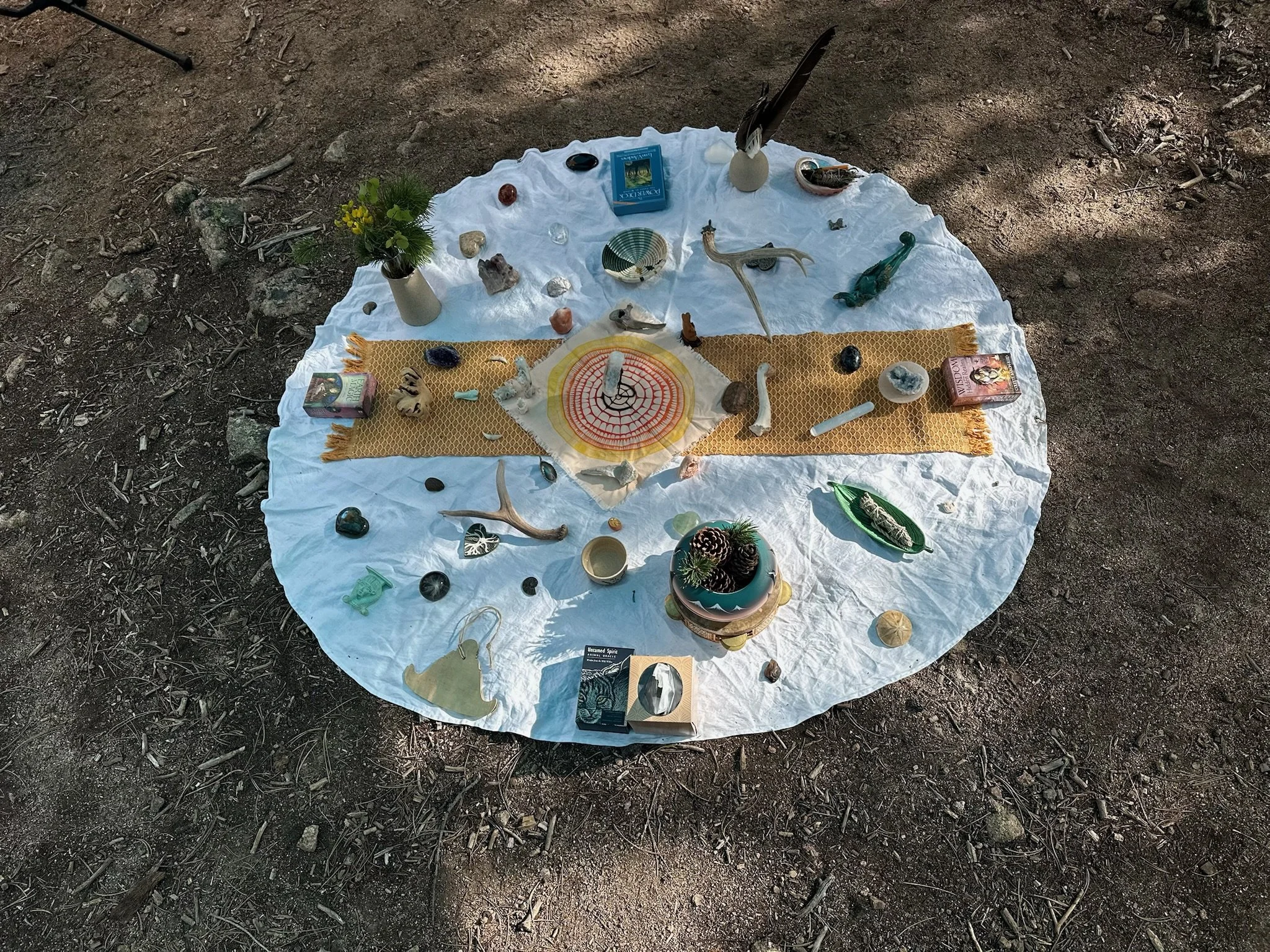
Ceremonial altar from our Courting Your Medicine program.
At its core, ceremony is about saying yes to what is. It involves identifying a clear intention, meaningful action, and often being witnessed and/or supported—by oneself, by community, or by the more-than-human world. Ceremony is a somatic experience that engages the whole brain, helping us move through and digest experiences through our bodies, minds, and souls.
In the absence of shared cultural containers, many people feel unsure about how to engage in ceremony. Some worry about doing it “wrong,” about cultural appropriation, or about revisiting spiritual spaces that once felt unsafe. Others feel a quiet longing but don’t know where to begin.
Ceremony doesn’t need to be elaborate or from a particular tradition. It can be as simple as pausing to honor a transition, creating space to reflect, or marking an ending with intention. What matters is authenticity—having a clear intention, speaking or acting from the heart, and choosing symbols and symbolic actions that carry meaning for you.
When we allow ourselves to slow down and acknowledge the process of change, we make space for all aspects of our experience. Feelings unfelt can move. The body registers transition. This creates more capacity to be in the present moment of life, stepping forward without dragging unresolved experience with us.
Staying With What’s Emerging
We are living in a time of collective transition. Familiar structures are crumbling, while what comes next remains unclear. In moments like this, the invitation is not to rush toward certainty, but to slow down and listen.
Practices that support our listening include: intentional time in nature, reflection, journaling, shared gathering and council, simple rituals. These help us stay connected to ourselves and to one another, as well as to a greater universal wisdom as we navigate uncertainty. They remind us that we are part of a larger web of life that has moved through countless cycles of change, and will continue to endlessly do so.
The liminal space is not something to fix, escape, or move through too quickly. It is a place of deep listening, recalibration, and an opportunity to connect with a new, more sustainable way of being. When we learn how to stay with the discomfort and uncertainty—supported by the natural world, by community reflection, and by intentional pauses—we make room for something truer to emerge.
Tending the Middle Together
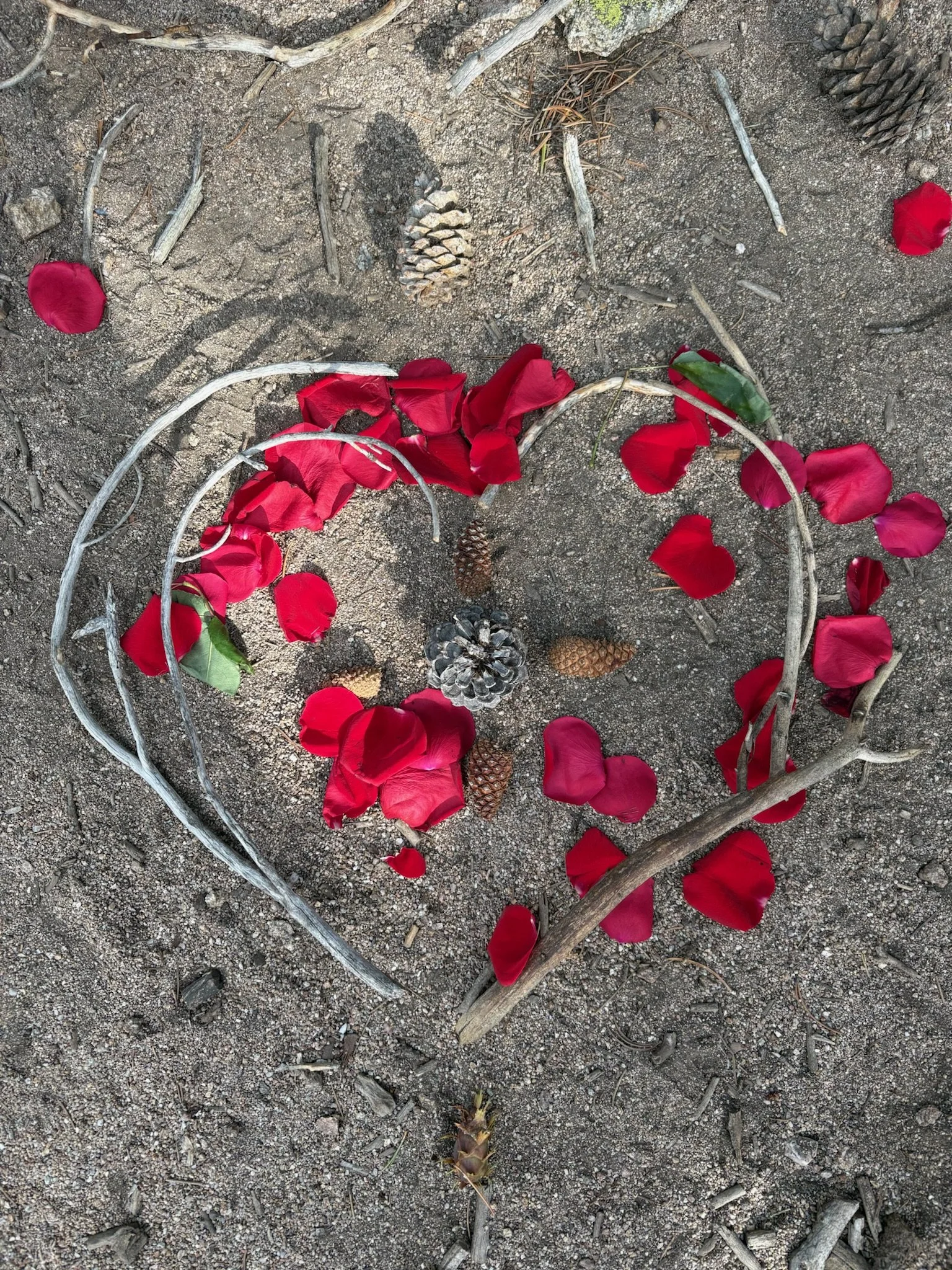
Across cultures and throughout time, the in-between was never meant to be navigated alone. Thresholds were marked, witnessed, and tended through ritual, community, and guided rites of passage — not to rush clarity, but to support the listening that happens when we pause long enough.
If you find yourself in a personal experience of the liminal— no longer who you were, not yet clear who you are becoming — our Inner Quest Retreats offer a facilitated rite of passage ceremony rooted in nature, embodiment, and community. For slowing down, listening deeply, and being witnessed as you navigate your way across a meaningful threshold.
And if you are longing for greater clarity and confidence to live your most essential gifts into the world, Courting Your Medicine offers a longer arc of guidance and community to support that unfolding.
These experiences are about honoring the wisdom already moving through your body-mind-soul, and allowing what’s true to emerge in its own time.
If you feel resonance here, you’re likely already standing at a threshold.
We would be honored to walk with you as you listen for what’s next.